
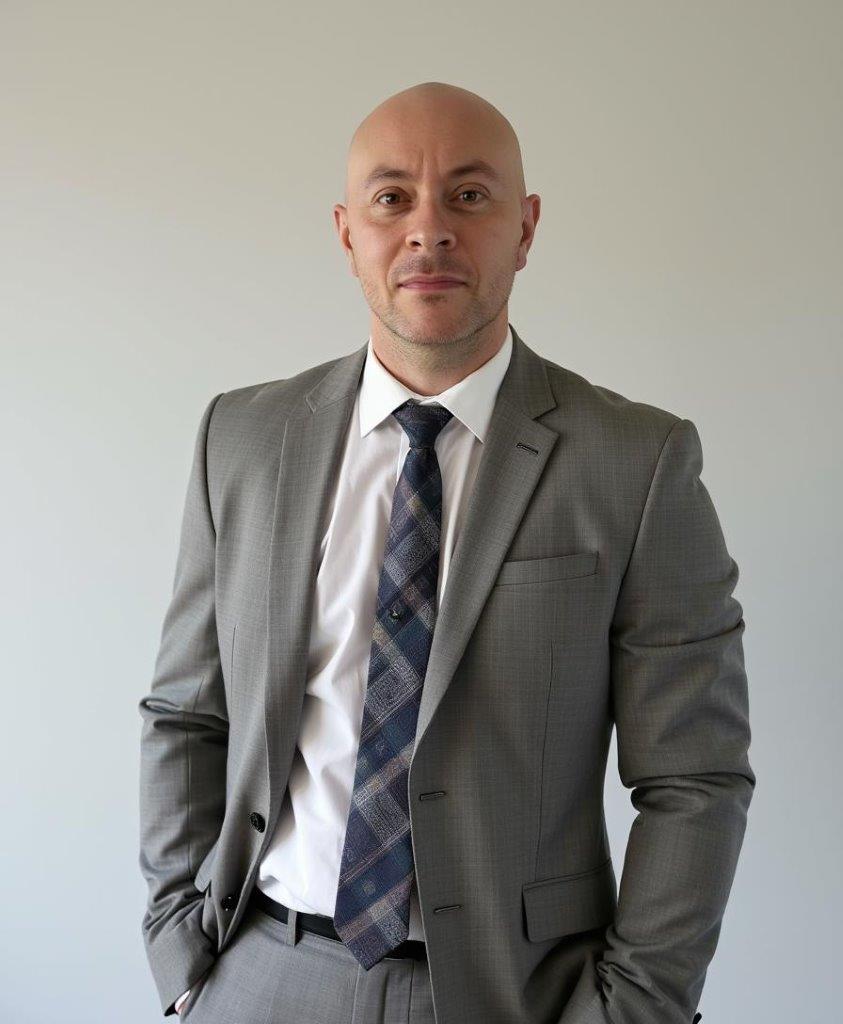
E. Z., please tell our readers a little about yourself. Where did you grow up, and what brought you and your family to the United States?
We came as part of one of the last waves of refugees as the USSR was collapsing. For the most part, I grew up in Texas, although I have also lived in New York, the Middle East, briefly in Europe, and traveled a good deal prior to settling back in Texas.
Your personal journey to America was quite unusual. How did your childhood and immigration experience influence the person you became and, later, your decision to practice law?
I am very grateful for the opportunities which this country has afforded me. Our legal system is far from perfect, but under it, everyone has the right to be treated equally and to resolve their issues through legal process and with respect.
Where did you study, and why did you ultimately choose law as your profession? Was becoming an attorney something you had planned from an early age, or did that decision come later?
I received my undergraduate degree at University of Houston and studied law at University at Buffalo. I also studied abroad for a time at the Robert Schuman University in France and was also a visiting scholar at University of Houston Law Center. I licensed in the State of Texas and federal court.
You have now practiced law in Texas for many years. How did your professional career begin, and what led you to establish Ilionsky Law, PLLC?
I have worn many hats in my legal career. But if you have a family, a steady practice in one place is the most practical hat.
What brought you to the Austin/Round Rock area, and what do you like most about living and working in Central Texas?
We moved here to be closer to family. We absolutely love it here.
Tell us about Ilionsky Law. What kinds of clients and legal matters do you primarily work with today, and how would you describe the philosophy of your practice?
Our office primarily deals with litigation, transactional law, immigration law, and family law. We have a wide range of clients, from individuals to NASA subcontractors to international firms to nationwide religious organizations. We don’t have a philosophy per se; our focus is on results more so than philosophies.
Your practice covers several very different areas of law, including family law, immigration, litigation, business matters, and estate planning. Which areas have become especially important to you, and why?
This is a difficult question to answer because every case has significant consequences.
What are some of the most common misunderstandings immigrants have about the American legal system when they first arrive in the United States?
That everything will be handled fast. Unfortunately – barring an emergency situation – the old adage is true: “The wheels of justice move slowly.”
Many of our readers are Russian-speaking immigrants or families who have built their lives in Texas. What legal issues do you think people often postpone dealing with until they become much more complicated?
If you are in a dispute, do not wait to act – things will only get more complicated. Evidence gets lost and witnesses shy away. If you are in a family situation where you or your loved ones are subjected to violence, get help now. Do not wait. Finally, do not trust someone just because they happen to come from the same community as you – grifters love to scam their own communities due to the inherent trust they receive.
In family law, people often come to an attorney during one of the most stressful periods of their lives. What have almost two decades of practice taught you about helping clients through divorce, custody disputes, or other difficult family situations?
Many people carry deeper emotional wounds from difficult experiences than they realize. It’s important to pay attention to take care of your mental health.
What makes a good attorney in your view? Is legal knowledge enough, or are qualities such as judgment, communication, empathy, and the ability to understand people equally important?
It’s not enough to simply memorize legal textbooks; one must apply critical reasoning as well. Organization, empathy, developing argument, and building a narrative is also extremely important.
The legal profession has changed considerably since you began practicing. What changes have you seen, and how do you think technology – and now artificial intelligence – will change the way lawyers work in the coming years?
I remember the day attorneys used to fax pleadings into the Court. Now, online filings are mandatory. We are now seeing rise of AI to help augment legal writing, although it is typically crude and often makes mistakes – at the moment, AI seems incapable of adding the empathy and emotion that makes an attorney’s argument well-crafted. Maybe that will change in the future, who knows.
You speak several languages and have lived among different cultures. How important is cultural understanding when an attorney represents clients from immigrant or international backgrounds?
Immigrant or not, hardly anyone turns down a good cup of tea in my office.
What is the most difficult part of being an attorney? And what part of your work gives you the greatest professional satisfaction?
You can do everything right and still have a bad outcome is a difficult truth to accept.
The greatest professional satisfaction are wins for the little guy.
What advice would you give someone who has recently moved to Texas and is trying to understand how to protect themselves legally—whether in their family life, business, immigration matters, or financial affairs?
Always, always, always get everything important in writing.
What advice would you give young immigrants or Russian-speaking students who are considering a career in law in the United States?
Try an after-school part-time job or internship with a law office or something similar to get a feel for it before committing. The practice of law is not like on TV.

Do you maintain a connection with Russian-speaking culture or traditions? Are there particular traditions, values, foods, books, music, or habits from your earlier life that have remained important to you?
We do maintain a connection out of comfort and practicality. For example, Russian food is comfort food to me. We also try to speak Russian at home, so the kids can be exposed to and know Russian since knowing another language is always a benefit.
What is your relationship with the Russian-speaking community in Austin and Texas? Do you see a particular role for professionals such as attorneys in supporting and strengthening immigrant communities?
The Russian-speaking population in Texas is incredibly talented, resourceful, and successful. The community has managed to effortlessly assimilate but also hold on to its vibrant culture. It is doing just fine.
Law can be an intense profession. What do you enjoy doing when you are not working? What helps you switch off from cases and courtrooms?
In my spare time, I read, I enjoy the outdoors, and I participate in HEMA fencing, which is similar to Olympic fencing, but more historically accurate weapons and allows for more physical combat.
Looking back at your journey – from your childhood and immigration experience to becoming an attorney and building your own practice in Texas – what are you most proud of?
Still having a sense of humor and holding on to my sanity.
What television shows are most like real life legal field?
That popular show “Suits” cannot be further from the truth. Surprisingly, some aspects of “Better Caul Saul” capture the practice of law eerily well.

Contact information:
E.Z. Ilionsky | Attorney
Ilionsky Law, PLLC
595 Round Rock West Drive, Suite 602
Round Rock, Texas 78681
Tel. (737) 637-2122